About Guro David Seiwert
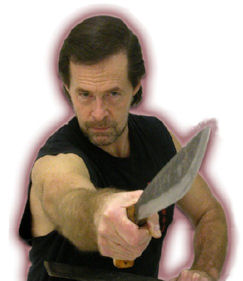
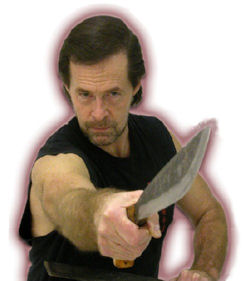
Guro/Sifu David Seiwert
Guro/Sifu David Seiwert is the founder of Dynamic Fighting Arts and the head instructor behind DFA Kali. He has spent decades as both a martial arts student and teacher, building a wide-ranging background in Japanese, Korean, Chinese, Thai, Indonesian, and Filipino martial arts. The official Dynamic Fighting Arts website states that Seiwert has been involved in martial arts for more than 55 years and began his training as a teenager. DFA’s course pages also describe him as having trained in martial arts from Japan, Korea, China, Thailand, Indonesia, and the Philippines since the age of twelve.
Seiwert’s early martial arts background included systems such as Jiu-Jitsu, Tae Kwon Do, Tien Shan Pai, Northern and Southern Shaolin, Tai Chi, Ng Family Kuntao, and other Chinese martial arts. Public biographical material also connects his training to instructors such as Grandmaster Chien Liang Huang, GM Winglok Ng, GM Leo Gaje, Maginoo Romell Tortal, Master Henry Jaymee, GM Nene Tortal, and GM Jerson Tortal Jr. Because some of these details come from older secondary web sources, they should be treated as useful background and cross-checked when possible.
As his training developed, Seiwert became especially known for his work in Filipino and Southeast Asian martial arts. Dynamic Fighting Arts presents his approach as a blend of practical weapons training, empty-hand striking, footwork, self-defense, Kuntaw/Kuntao concepts, Kali, Escrima, Arnis, and close-range combat methods. In 2005, Seiwert began traveling to Thailand and the Philippines to train closer to the source, focusing on Muay Thai, Muay Boran, Kali, Escrima, Arnis, and Kuntaw.
This “go to the source” approach is an important part of his story. Rather than only learning from books, tapes, or secondhand instruction, Seiwert continued to seek direct training in Southeast Asia. His later study included deeper work in Filipino martial arts such as Pekiti Tirsia, Tat Kuntaw, Dekiti Tirsia Siradas, and Balintawak. This gave DFA Kali a strong connection to Filipino Martial Arts principles while also allowing the system to stay practical and adaptable for modern self-defense.
Guro Seiwert’s teaching is not limited to one narrow area of martial arts. DFA Kali includes weapons training, empty-hand fighting, Panantukan, Pananjakman, Dumog, joint locking, ground-fighting concepts, low-line kicking, stick work, knife defense, karambit material, and street-defense applications. His Panantukan material describes the DFA approach as including boxing, kickboxing, low-line kicking, Kuntao/Silat, Dumog, joint locking, and guntings, or limb destructions.
One of the major strengths of Seiwert’s teaching is how he connects weapon movement to empty-hand application. In Filipino Martial Arts, the same angles used with a stick or blade can often be applied with the hands, elbows, forearms, knees, and body positioning. This makes DFA Kali valuable not only for weapons training, but also for students of Kenpo, Jujitsu, Karate, Taekwondo, kickboxing, and other self-defense systems who want to improve their timing, footwork, angles, and close-range skills.
Seiwert is also an author, seminar instructor, and instructional video producer. Dynamic Fighting Arts states that he has produced numerous books and instructional video courses, and the DFA website explains that the organization began creating VHS instructional courses years ago before moving into DVDs, streaming videos, and online training. This makes DFA an example of a martial arts organization that used distance learning early and continued adapting as technology changed.
His published martial arts material includes books such as Secrets of the Knife: Weapons of Southeast Asia and KunTao: The Esoteric Martial Art of Southeast Asia. These works reflect his interest in Filipino and Southeast Asian fighting methods, including Kali, Escrima, Silat, Kuntao, blade defense, combative drills, and practical application.
Today, Guro/Sifu David Seiwert’s legacy through Dynamic Fighting Arts is built around practical survival-based training, traditional martial arts study, cross-training, and modern distance education. DFA Kali is not presented as tournament martial arts or sport fighting. It is taught as a practical martial arts system focused on awareness, adaptability, weapons understanding, empty-hand skill, personal development, and real-world self-protection.
DFA KALI Rank Requirements
About DFA Kali / Dynamic Fighting Arts Kali
Dynamic Fighting Arts Kali, also known as DFA Kali, is a modern Filipino Martial Arts–based system connected with Guro David Seiwert and Dynamic Fighting Arts. The system focuses on practical self-protection, weapons awareness, empty-hand skills, footwork, body mechanics, and the ability to move smoothly from one range of combat to another.
While many people think of Kali only as stick fighting, DFA Kali is much more than that. The art includes single stick, double stick, knife concepts, stick-and-dagger methods, karambit material, empty-hand striking, low-line kicking, joint locking, grappling, and close-range self-defense. The main idea is that the same angles, timing, footwork, and movement used with weapons can also be applied empty-handed.
Guro David Seiwert and the Dynamic Fighting Arts Approach
Guro David Seiwert has been involved in martial arts for decades as both a student and instructor. His background includes training in Japanese, Korean, Chinese, Thai, Indonesian, and Filipino martial arts. According to the official Dynamic Fighting Arts website, he began training as a teenager and later traveled to Thailand and the Philippines to study closer to the source of the arts he was teaching.
This is important because DFA Kali is not just a random collection of techniques. It comes from years of training, teaching, research, seminars, travel, and experience in different martial arts systems. Dynamic Fighting Arts presents martial arts as more than a sport. It is taught as a life skill that can build confidence, discipline, fitness, awareness, and personal growth.
What Makes DFA Kali Unique?
DFA Kali is an organized, practical, and flexible approach to Filipino Martial Arts. It is designed for people who want to understand how weapons and empty-hand training connect together. A student may begin with basic angles, footwork, and stick drills, but over time those same ideas lead into striking, entries, locks, takedowns, and self-defense applications.
Some of the main areas of DFA Kali include:
Weapons Training
Students train with single stick, double stick, stick-and-dagger, knife concepts, karambit, and other traditional Filipino weapon methods. This teaches distance, timing, coordination, reaction, and awareness.
Empty-Hand Skills
DFA Kali includes Panantukan, often called Filipino dirty boxing, along with Pananjakman, which focuses on low-line kicking, and Dumog, which includes grappling, off-balancing, and controlling the opponent.
Footwork and Movement
Footwork is a major part of the system. Students work on forward angle stepping, reverse angle stepping, triangle footwork, six-point stepping, hourglass stepping, and other movement patterns that help them get off the line of attack and find better angles.
Flow Drills and Coordination
Training includes drills such as Abecedario basics, Sinawali weaving patterns, Heaven Six, Standard Six, Earth Six, Hubud-style sensitivity drills, and other partner exercises that develop timing, rhythm, reflexes, and coordination.
Practical Self-Protection Mindset
DFA Kali is not just about memorizing movements. The goal is to understand how to survive real situations by using awareness, movement, timing, striking, control, and adaptability.
DFA Kali and Empty-Hand Fighting
One of the most interesting parts of DFA Kali is how strongly it connects weapons training with empty-hand fighting. In many Filipino systems, the weapon teaches the empty hand. A strike with a stick can become a hammer fist. A checking hand can become a trap, parry, or control. A cutting angle can become an elbow, forearm strike, or hand strike.
The DFA Kali Panantukan material brings together boxing, kickboxing, low-line kicking, Kuntao/Silat ideas, Dumog grappling, joint locking, and limb destructions. This makes the system useful for martial artists who already train in karate, kenpo, jujitsu, kickboxing, or self-defense, because it gives them another way to understand angles, entries, and close-range fighting.
Online Training and Modern Martial Arts Education
Dynamic Fighting Arts has also been involved in distance learning for many years. The official DFA site explains that the organization began producing instructional material through VHS tapes, then moved into DVDs, streaming videos, and online training. Today, DFA offers online courses through organized levels, including beginner, intermediate, and advanced DFA Kali material, as well as specialty courses in Panantukan and Karambit.
This makes DFA Kali a good example of how traditional martial arts can be preserved and taught through modern technology. Students who may not live near a major Filipino Martial Arts school can still study the concepts, drills, and curriculum through structured online lessons and instructor guidance.
Why DFA Kali Fits the Modern Day Martial Artist
DFA Kali fits perfectly into the idea of the modern martial artist because it is practical, open-minded, and adaptable. It respects the Filipino Martial Arts tradition while also connecting with empty-hand combat, self-defense, weapons awareness, and cross-training. For someone who already studies Kenpo, Jujitsu, Karate, Taekwondo, or kickboxing, DFA Kali can add a deeper understanding of angles, flow, coordination, footwork, and close-range self-protection.
At its core, DFA Kali is about movement, timing, survival, and personal development. It teaches students to be more aware, more coordinated, and more adaptable. Whether training with sticks, blades, empty hands, or partner drills, the goal is to build skills that can carry over into real self-defense and into the larger journey of martial arts.
History of Filipino Martial Arts
Guro David Seiwert gives a detailed explanation of the history and origins of Filipino Martial Arts.
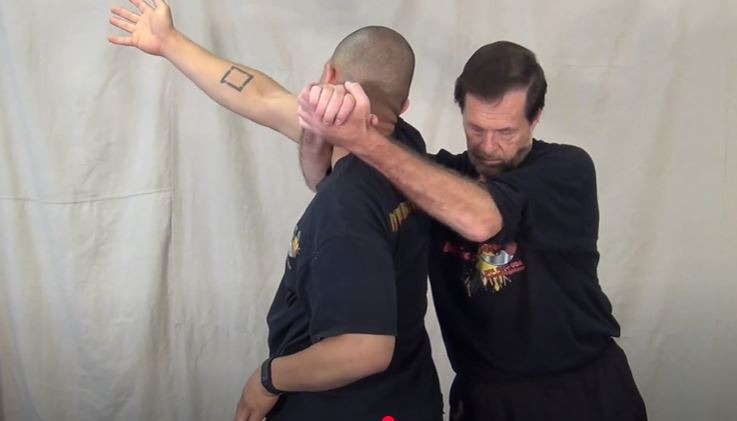
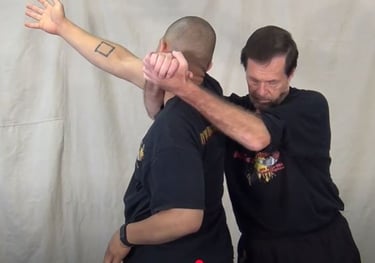
DFA Kali - Side Choke - (Self Defense)
Gueo David Seiwert demonstrating a haymaker punch defense into a Side Choke.
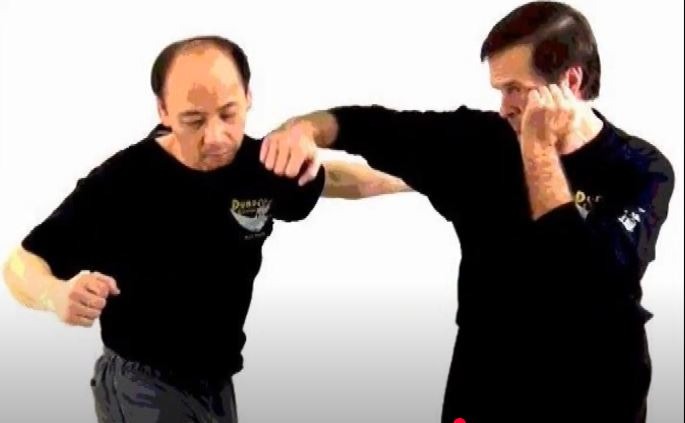
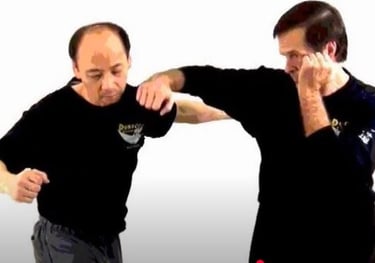
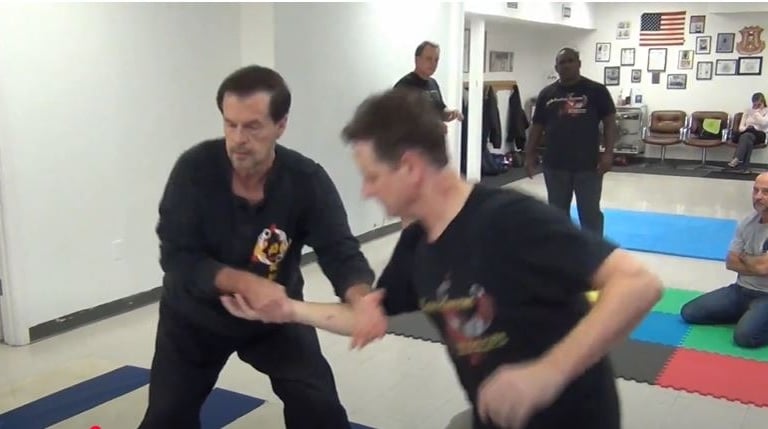
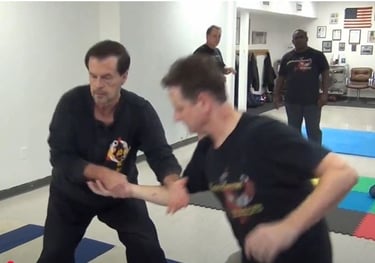
DFA - Kali Arm-Drags - (Self Defense)
Guro David Seiwert demonstrating three Kali Arm-Drags for self-defense.
DFA KALI Video Clips
Complete Architecture Services
From concept to completion, our architecture services use the latest technology and techniques to deliver exceptional results.
Lifestyle-Enhancing Design
Our architecture services take into consideration your lifestyle and preferences to create spaces that are both beautiful and functional.


Collaborative Design Services
We work collaboratively with our clients throughout the design process to ensure their vision is realized in the final product.